



SKU:
Garmin Rally RS210 & RS110 Power Meter Pedals — Shimano SPD-SL
Couldn't load pickup availability
Description
NOTE: Please chat with us for same-day delivery / collection (SG Only). All SG local stock with 2-year manufacturer warranty. Bikers.SG is an authorised Garmin dealer in Singapore.
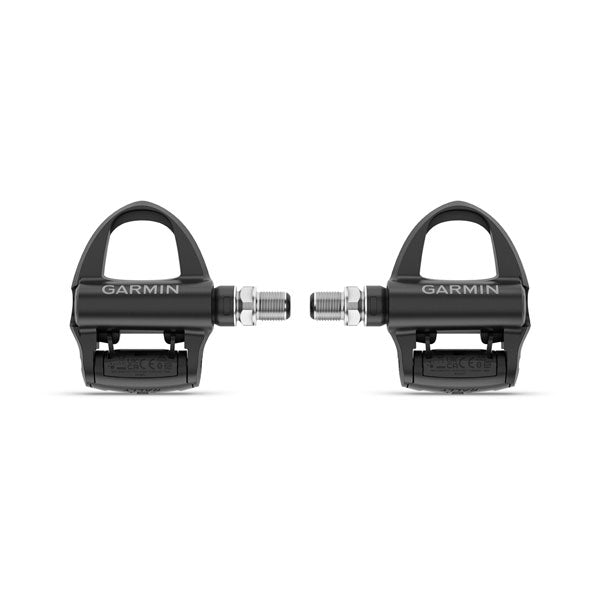
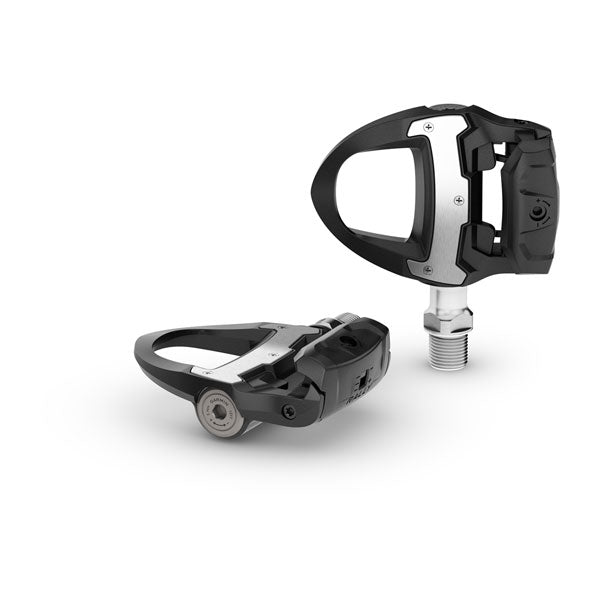
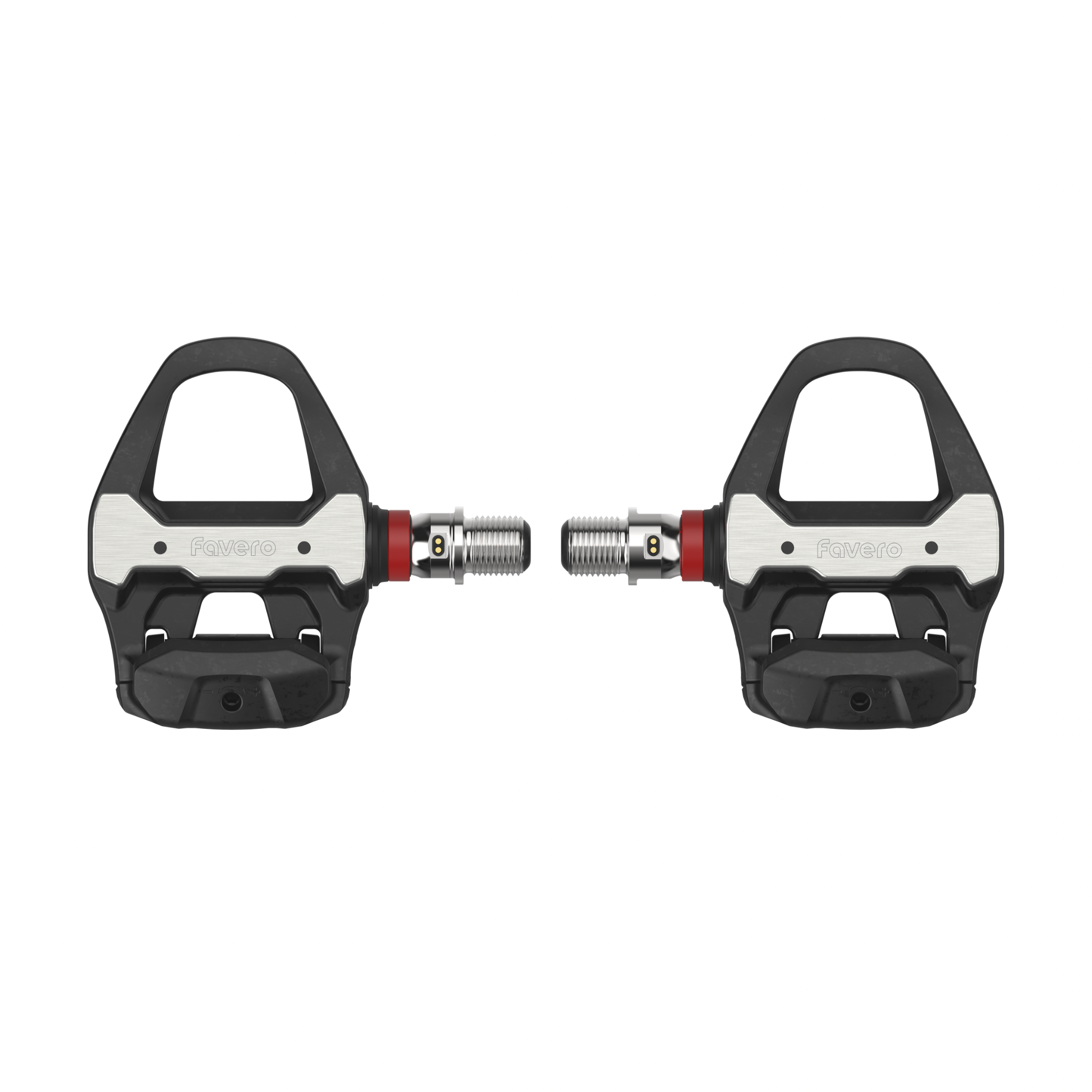
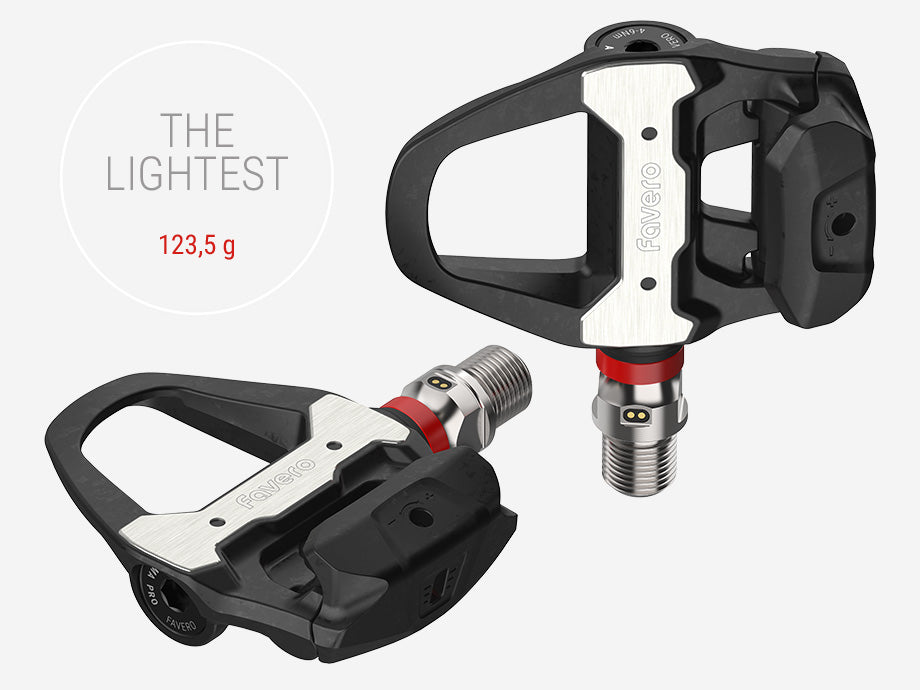
Garmin Rally RS Power Meter Pedals — RS210 and RS110 (Shimano SPD-SL)
The Garmin Rally RS series brings precision power measurement to Shimano SPD-SL road cyclists. Whether you choose the RS210 (dual-sensing, both pedals) or the RS110 (single-sensing, left pedal only), you get Garmin's reimagined strain gauge technology with an added gyroscope for ±1% accuracy, up to 90 hours of battery life, and the flexibility to swap the power sensor between road and off-road pedal bodies — no tools, no fuss.
The RS210 unlocks the full suite of Advanced Cycling Dynamics: power phase, platform center offset, seated vs. standing time, and true left/right balance. The RS110 delivers clean, accurate power and cadence data at a more accessible price point. Both models feature Pedal IQ Smart Calibration, USB-C quick charging, and ANT+ + Bluetooth dual connectivity.
- ⚡ ±1% power accuracy — reimagined strain gauge with added gyroscope
- 🔋 Up to 90 hours battery life — 12 hrs extra in just 15 min quick charge (USB-C)
- 📡 ANT+ and Bluetooth dual connectivity — Garmin Edge, Wahoo, Bryton, Zwift, Strava, TrainerRoad, Tacx
- 💧 IPX7 waterproof — fully sealed for all-weather riding
- 🔄 Pedal IQ Smart Calibration — alerts you when calibration is needed based on temperature changes
- 🔧 Quick-swap pedal body — compatible with all Rally 110/210 road and off-road pedal bodies
- 🏆 Advanced Cycling Dynamics (RS210) — power phase, L/R balance, seated/standing, platform center offset
- 🔁 Oval chainring compatible — accurate data regardless of chainring shape
- ✈️ Travel mode — puts pedals to sleep to conserve battery during transport
- 🛡️ Carbon material pedal body — lightweight, durable, pro-level design
- ✅ 2-year manufacturer warranty — SG local stock, authorised Garmin dealer
- 🚚 Same-day delivery available — chat with us to arrange (Singapore only)
Choose Your Model
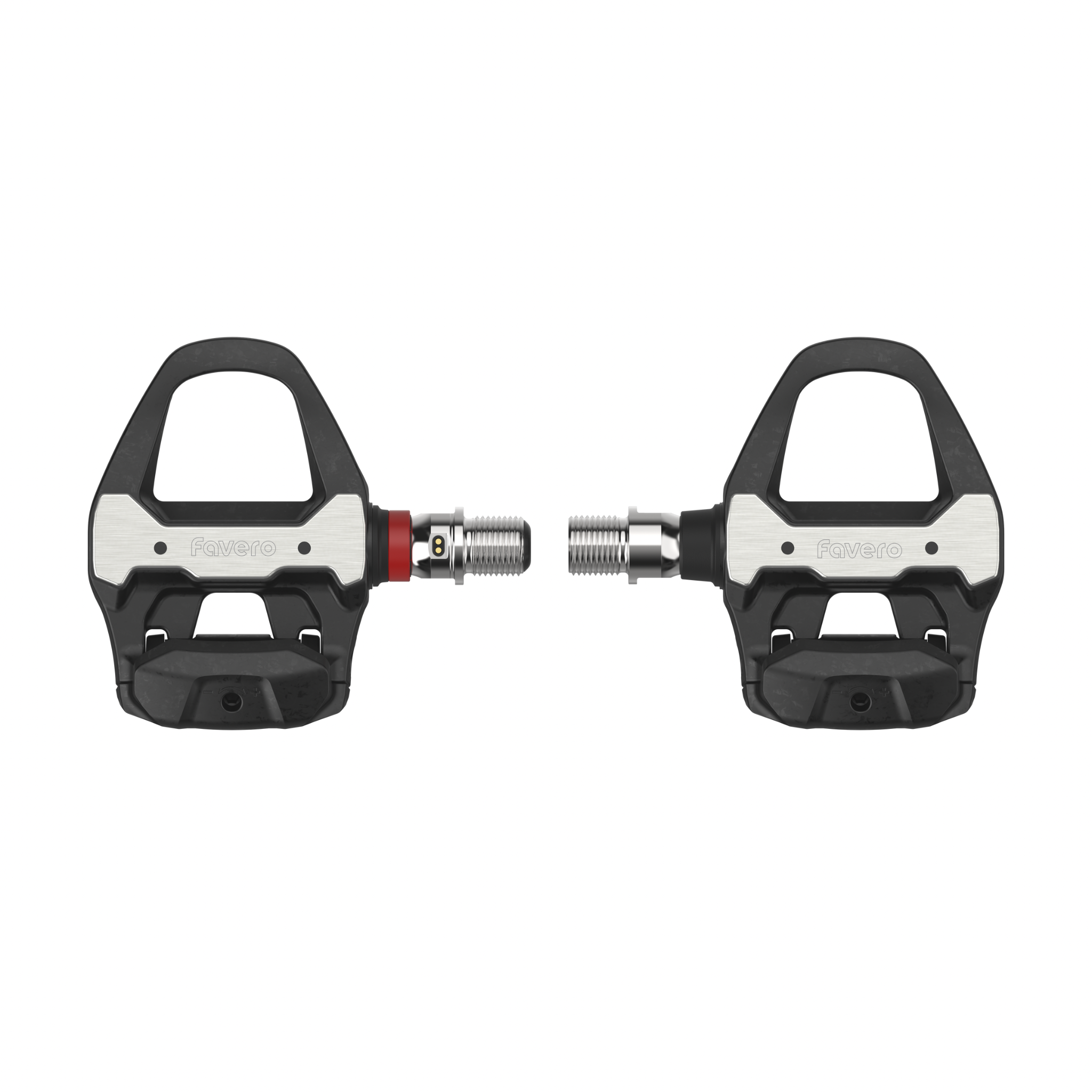
- Rally RS210 — Dual-sensing power meter (sensors on both pedals). Measures true left and right power independently. Unlocks full Advanced Cycling Dynamics: power phase, platform center offset, seated vs. standing time, and L/R balance. Best for data-driven training and performance analysis.
- Rally RS110 — Single-sensing power meter (left pedal sensor only). Estimates total power by doubling left-side measurement. Delivers accurate power and cadence data at a more accessible price. Ideal for riders entering power-based training.
| Feature | RS110 (Single) | RS210 (Dual) |
|---|---|---|
| Sensing | Left pedal only | Both pedals |
| L/R Balance | Estimated | True measurement |
| Cycling Dynamics | Basic | Full (power phase, PCO, seated/standing) |
| Accuracy | ±1% | ±1% |
| Battery life | Up to 90 hrs | Up to 90 hrs |
| Cleat type | Shimano SPD-SL | Shimano SPD-SL |
| Best for | Entry power training | Advanced performance analysis |
What You'll Love
Easy to Transfer
Installs like any standard pedal and transfers quickly between bikes. Compatible with all Rally 110 and 210 road or off-road pedal bodies.
Advanced Cycling Dynamics RS210 only

L/R balance, seated vs. standing time, power phase, and platform center offset. Train smarter — not just harder.
Highly Accurate

±1% accuracy via reimagined strain gauge + gyroscope. Oval chainring compatible.
Pedal IQ Smart Calibration

Alerts you when calibration is needed based on temperature changes. Your data stays reliable ride after ride.
Ride On — 90 Hours Battery

Up to 90 hours with real-time power data. USB-C quick charge: 15 min = 12 hrs extra. Travel mode conserves battery.
Durable Carbon Design
Lighter. Stronger. Slicker. All-new carbon material pedal body built for serious road cycling.
Fully Connected
Garmin Edge + Garmin Connect. Also: Wahoo, Bryton, Zwift, Strava, TrainingPeaks, TrainerRoad, Tacx via ANT+ and Bluetooth.
Tech Specs
- Weight: 312 g (11.0 oz) per pair
- Stack height: 12.2 mm (0.48")
- Q-factor: 53 mm (55 mm with provided 2 mm washer)
- Cleat compatibility: Shimano SPD-SL
- Pedal body material: Carbon material based design
- Connectivity: ANT+ + Bluetooth + USB-C
- Battery: Rechargeable lithium-ion, up to 90 hours per charge
- Quick charge: 15 min = 12 hrs additional runtime (USB-C)
- Water rating: IPX7
- Accuracy: ±1%
- Maximum rider weight: 105 kg (231.5 lbs)
- Temperature compensation: Yes
- Oval chainring compatible: Yes
- Measurement location: Spindle
- Pedal IQ Smart Calibration: Yes
- Travel mode: Yes
- Adjustable release tension: Yes
- Cycling Dynamics: Yes (full suite on RS210; basic on RS110)
- Garmin Connect compatible: Yes
- Quick-change pedal body: Compatible with all Rally 110/210 pedal bodies
- Warranty: 2 years (Singapore local stock)
- Bike type: Road cycling
Package Contents
Rally RS210 (Dual-Sensing):
- Rally RS210 pedal-based power meter (both pedals with sensors)
- Two charging clips and charging cables (USB-C)
- Shimano SPD-SL compatible cleats
- Hardware (including 2 mm washers)
- Documentation
Rally RS110 (Single-Sensing):
- Rally RS110 pedal-based power meter (left pedal with sensor)
- Charging clip and charging cable (USB-C)
- Shimano SPD-SL compatible cleats
- Hardware
- Documentation
Frequently Asked Questions
What is the difference between the Garmin Rally RS210 and RS110?
The RS210 is a dual-sensing power meter with sensors in both pedals, measuring true left and right power independently and unlocking the full suite of Advanced Cycling Dynamics (power phase, platform center offset, seated vs. standing time, and true L/R balance). The RS110 is a single-sensing power meter with a sensor in the left pedal only — it estimates total power by doubling the left-side reading. Both deliver ±1% accuracy and 90-hour battery life. Choose the RS210 for complete data; choose the RS110 for a more accessible entry into power-based training.
Does the Garmin Rally RS work with Wahoo, Bryton, and non-Garmin computers?
Yes. The Rally RS transmits via both ANT+ and Bluetooth simultaneously, making it compatible with any ANT+ or Bluetooth cycling computer — including Wahoo ELEMNT, Bryton Rider, Magene, and others. It also works with Zwift, TrainerRoad, TrainingPeaks, Strava, and Tacx. Advanced Cycling Dynamics data (power phase, PCO, L/R balance) is displayed natively on Garmin Edge computers; other devices will show standard power and cadence.
Is the Garmin Rally RS compatible with Shimano SPD-SL cleats?
Yes. The Rally RS is designed specifically for Shimano SPD-SL cleats, the standard 3-bolt road cleat used on most road cycling shoes. Cleats are included in the box. The pedal body is not compatible with Look Kéo or Shimano SPD (mountain) cleats — for those, see the Rally RK and Rally XC respectively.
Can I upgrade from the RS110 to the RS210 later?
Yes. Garmin sells the RS210 upgrade kit separately, which adds the right-pedal sensor to your existing RS110 setup. This means you can start with the RS110 and upgrade to full dual-sensing without replacing the entire system.
How do I calibrate the Garmin Rally RS?
Calibration is done through your cycling computer or the Garmin Connect app. The Rally RS features Pedal IQ Smart Calibration, which monitors temperature changes and alerts you when a calibration is recommended. For best accuracy, calibrate before each ride when the pedals are at ambient temperature.
Is this Singapore local stock? What warranty applies?
Yes — all units sold at Bikers.SG are Singapore local stock sourced through authorised Garmin distribution channels. They come with a 2-year manufacturer warranty valid in Singapore. For warranty claims, contact us directly and we will coordinate with Garmin Singapore on your behalf.
What is the maximum rider weight for the Garmin Rally RS?
The Garmin Rally RS is rated for a maximum rider weight of 105 kg (231.5 lbs).
Why Buy from Bikers.SG?
- 🇸🇬 Authorised Garmin dealer in Singapore — genuine local stock
- 🛡️ 2-year Singapore warranty — we handle warranty claims locally, no overseas shipping
- 🚚 Same-day delivery available — chat with us before ordering to arrange
- 💬 Expert advice — our team rides and trains with power; we can help you choose the right model